01
Expedition tents
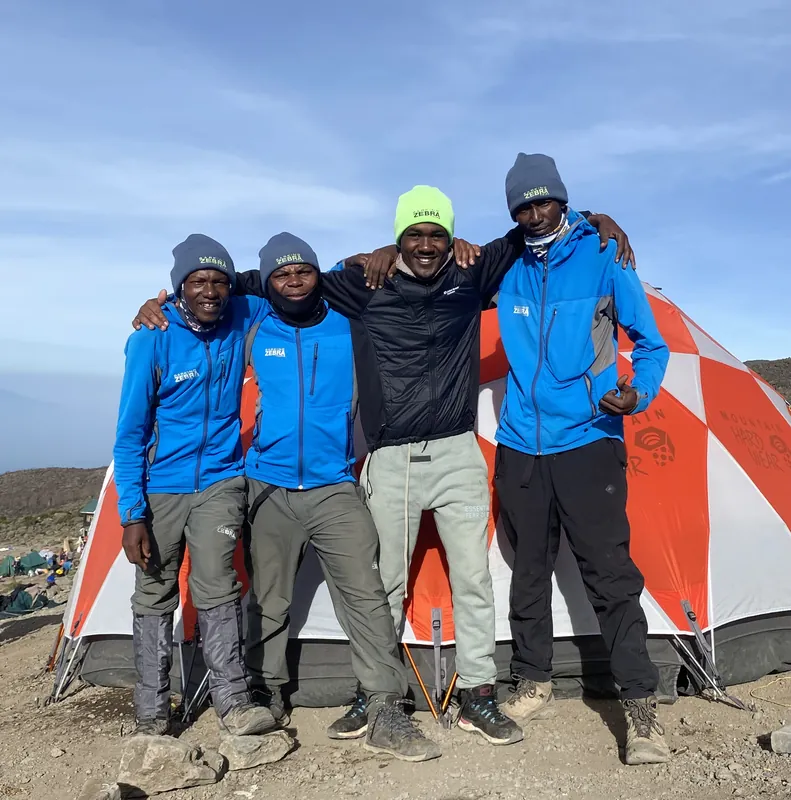
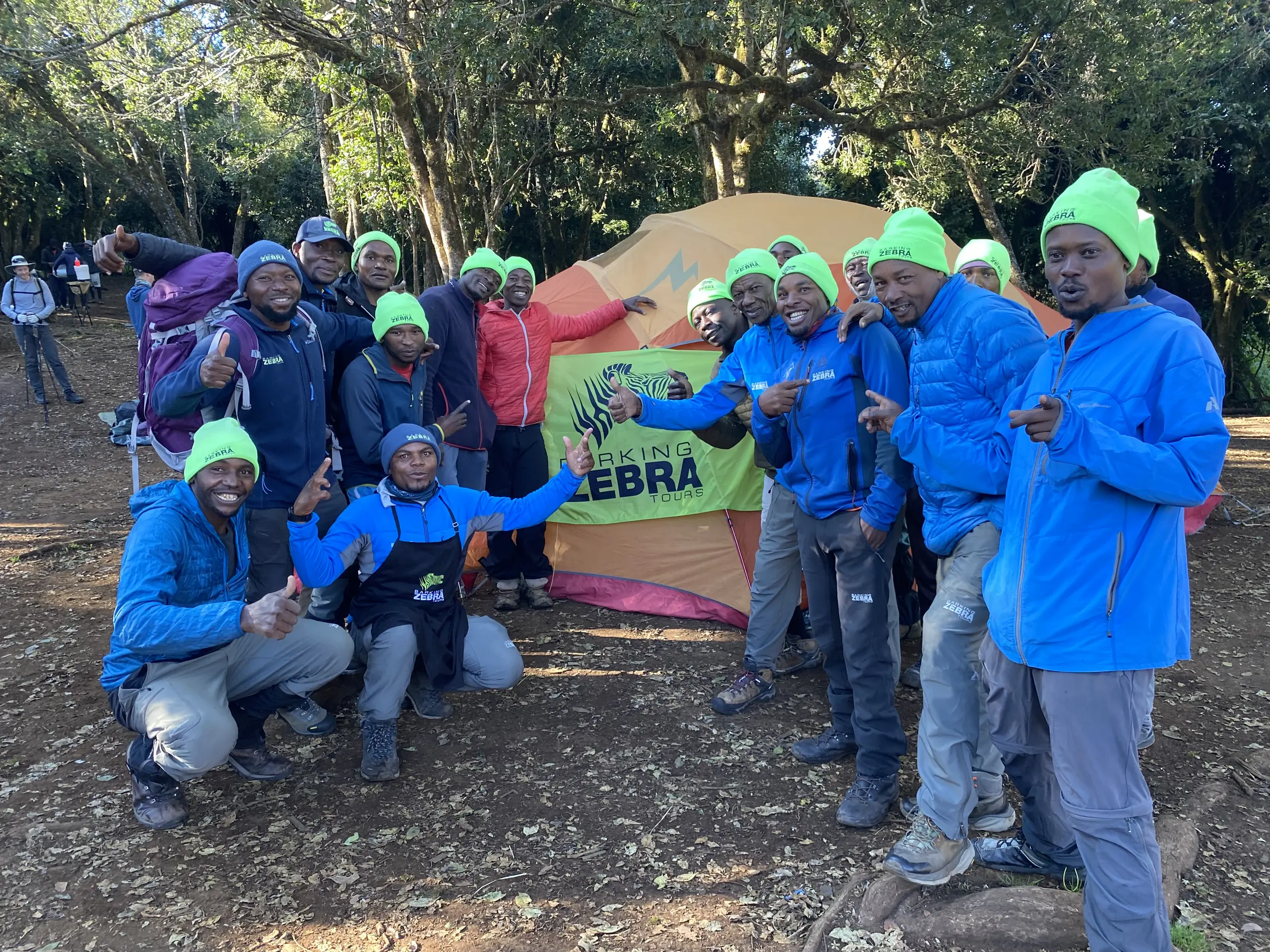
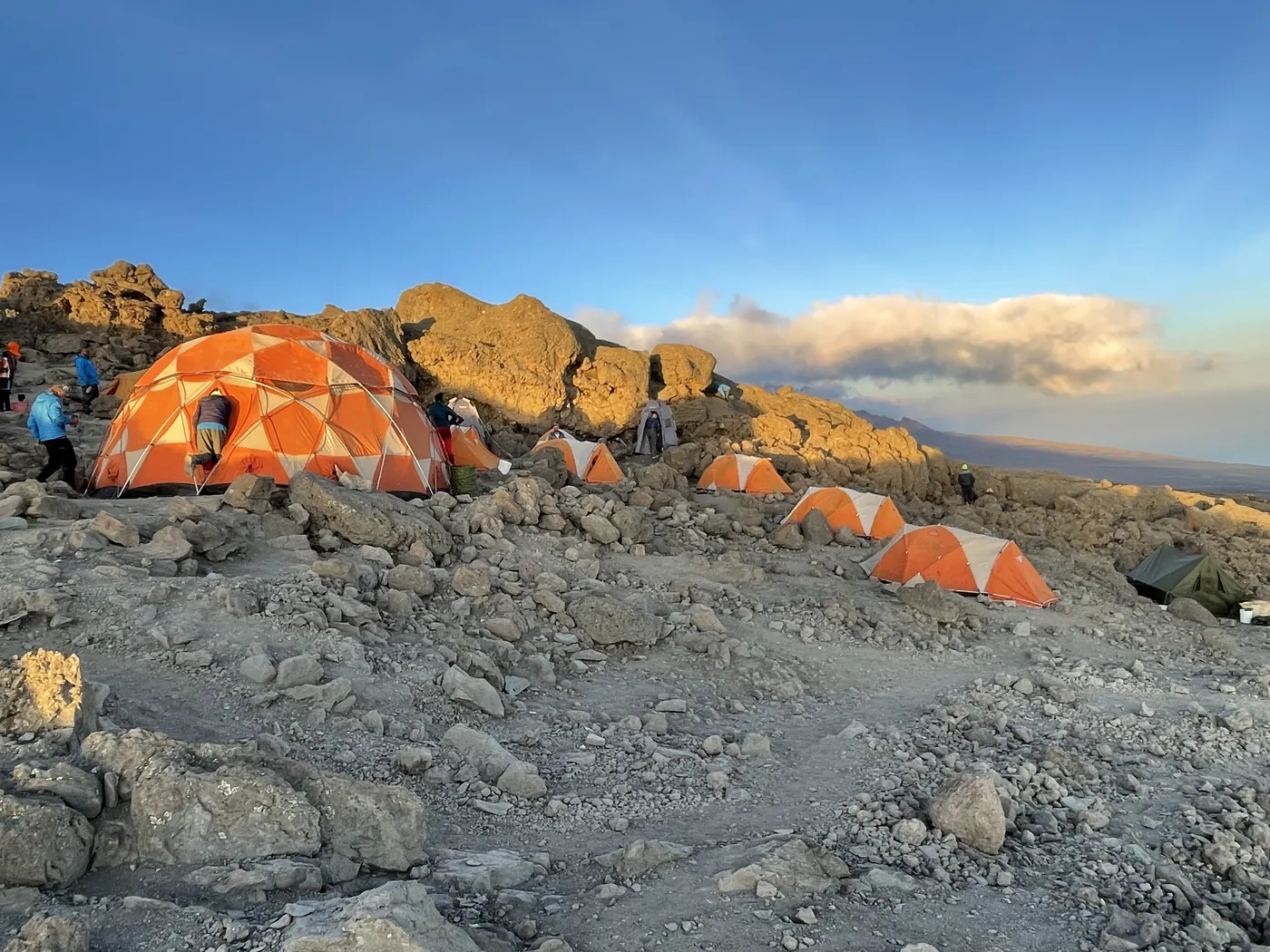
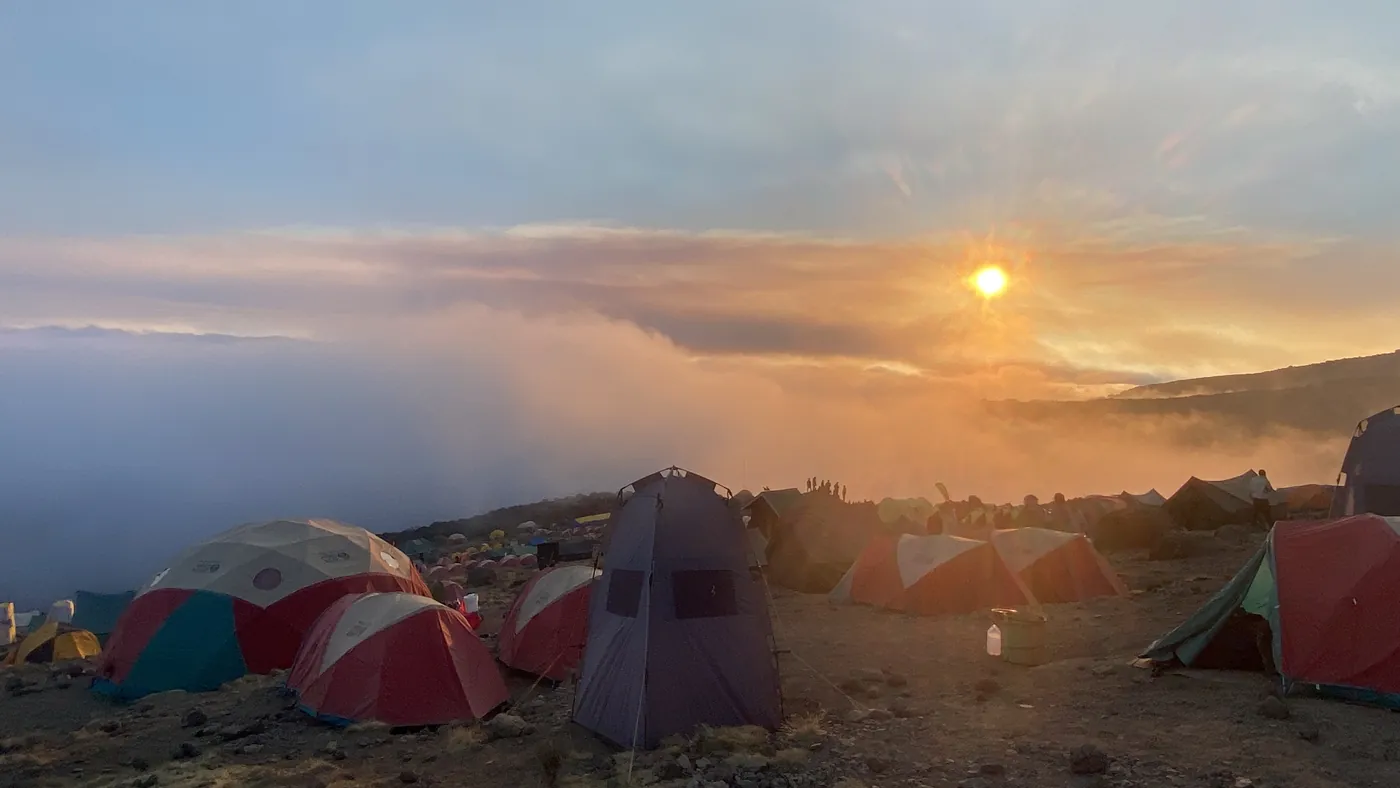
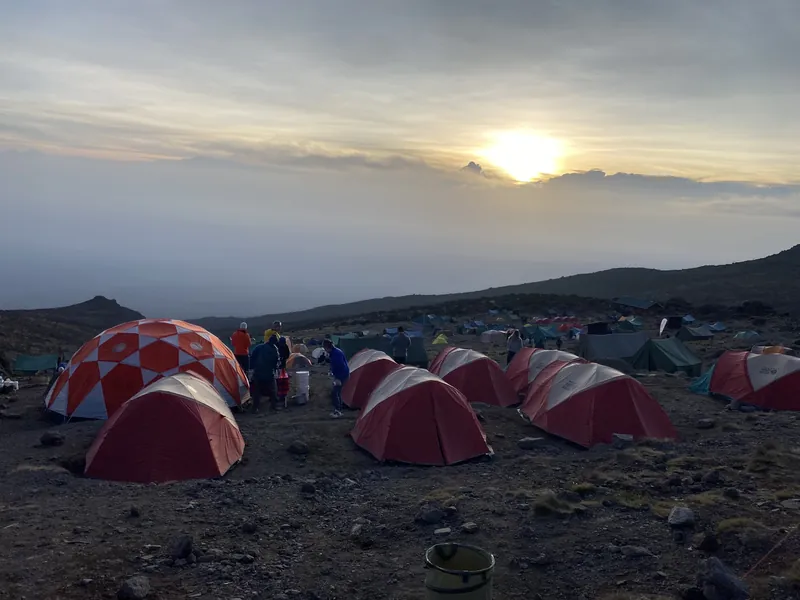
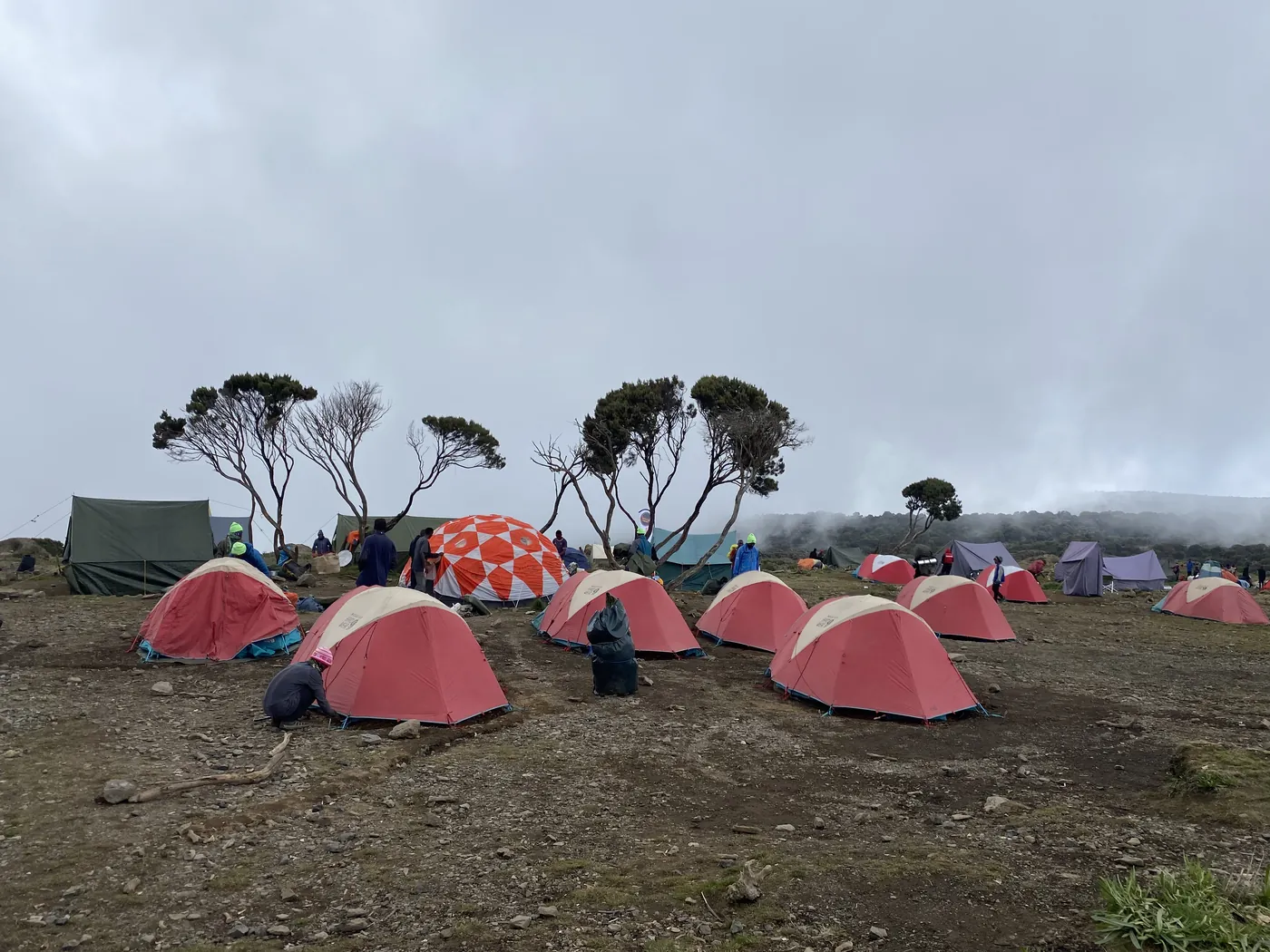
High-altitude waterproof Mountain Hardwear Trango 3 tents, designed for three but never shared by more than two, with custom groundsheets covering both vestibules.
Why Barking Zebra
Think of your expedition as a coordinated ballet of guides, porters and cooks, each performing their part seamlessly as together we all move up the mountain.
i. Expert guides
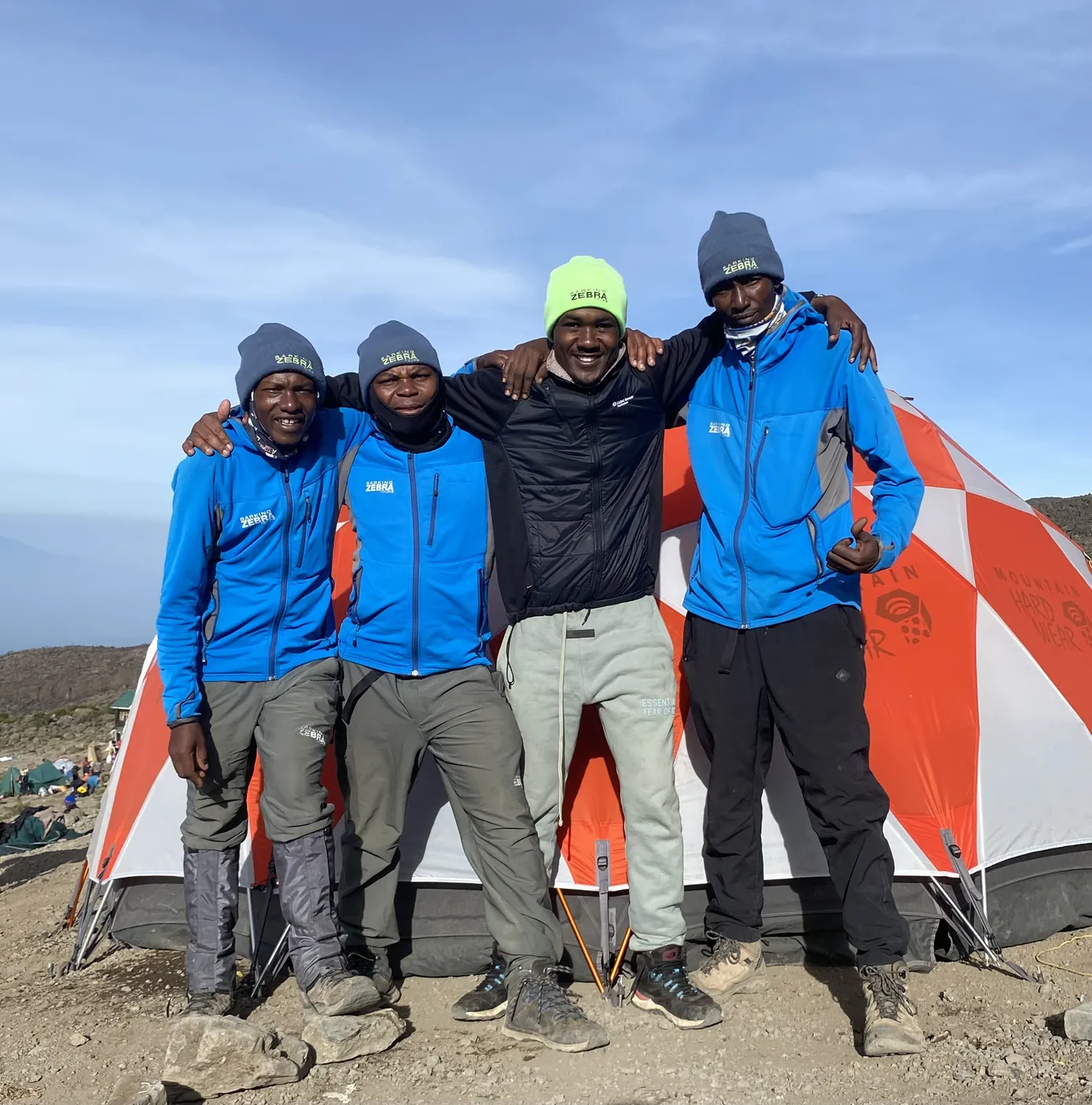
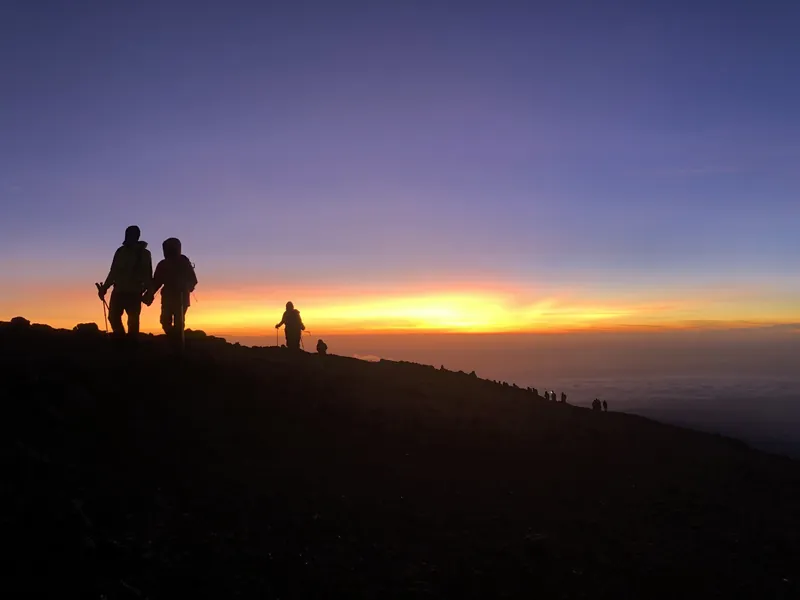
Every Barking Zebra guide has extensive mountain experience and serves several years as an assistant guide before leading a climb. They are the brains, muscle and expertise that keep your climb safe and successful.
iii. Our porters
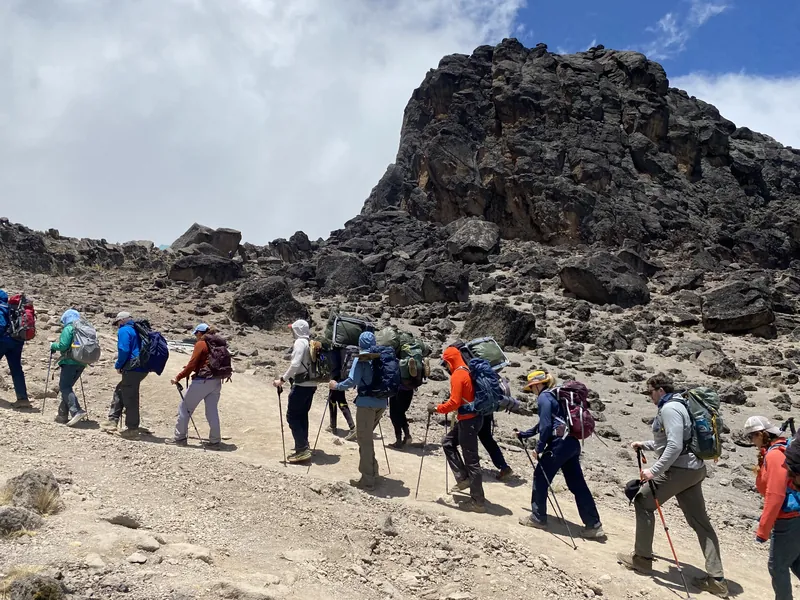
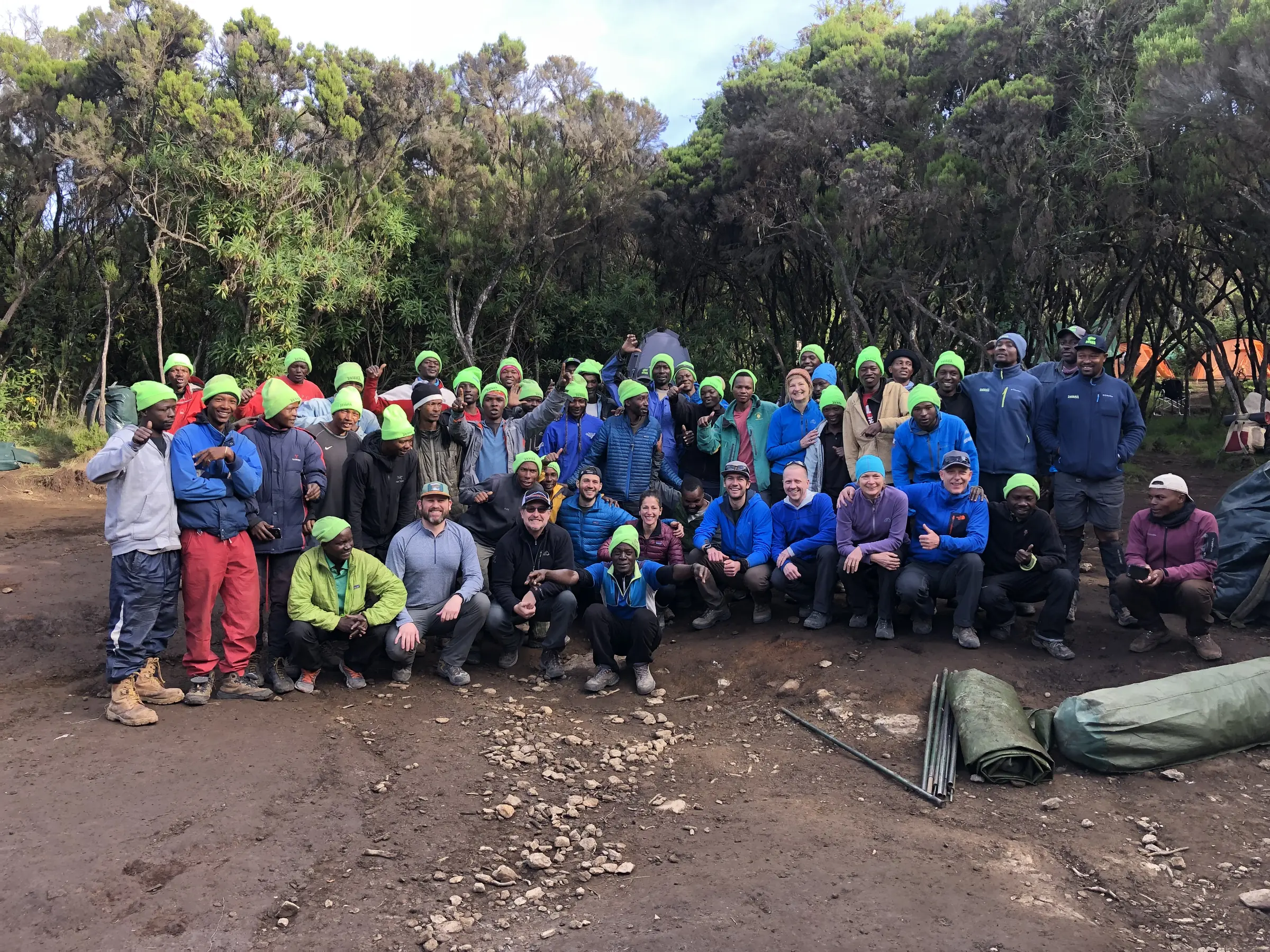
For a group of ten climbers, more than fifty crew members work in front and behind the scenes. Without our porters, Kilimanjaro would just be a pretty postcard in the distance.
Mistreatment of porters is common on the mountain. From our very beginning we have committed to treating our crews with respect: top wages, full pay guaranteed if a climber must descend early, proper food, clothing, gear and tents, and reliable transport to and from the mountain.
We are proud partners of the Kilimanjaro Porters Assistance Project (KPAP), which sets and oversees ethical standards for porters across the industry.
ii. Talented chefs
Our guests do. That’s how much they love the Spanish paella, fajitas and other fare our chefs prepare. Meals are planned for the right balance of complex carbohydrates, protein and fat, the fuel you need at altitude.
And to keep it fresh on a seven- or eight-day expedition, our own people resupply the chefs halfway through the trek with fruit and vegetables from nearby farms. Vegetarian, vegan, gluten-free and lactose-free diets are easily catered for with notice.
iv. Kilimanjaro camps
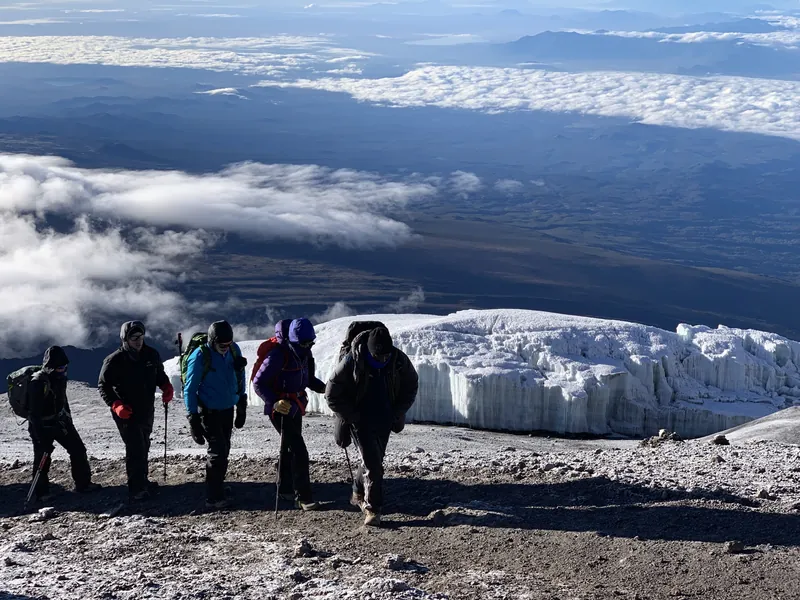
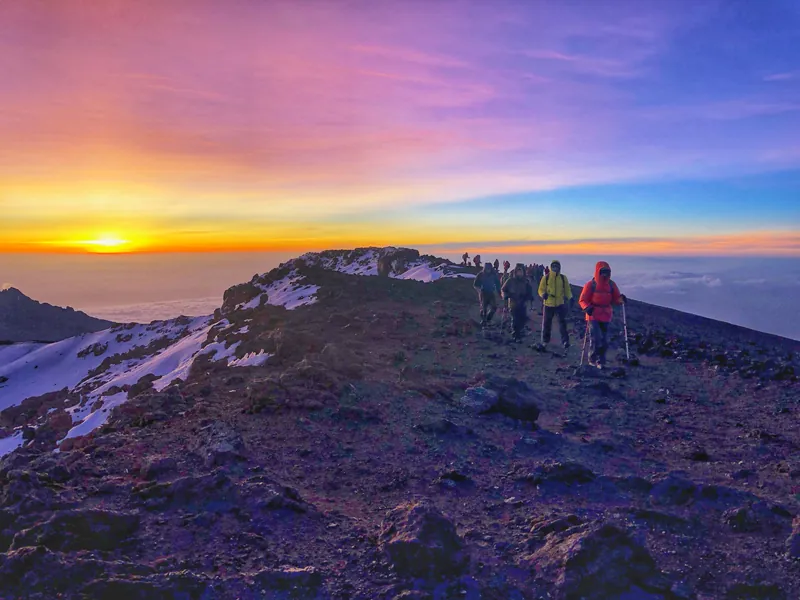
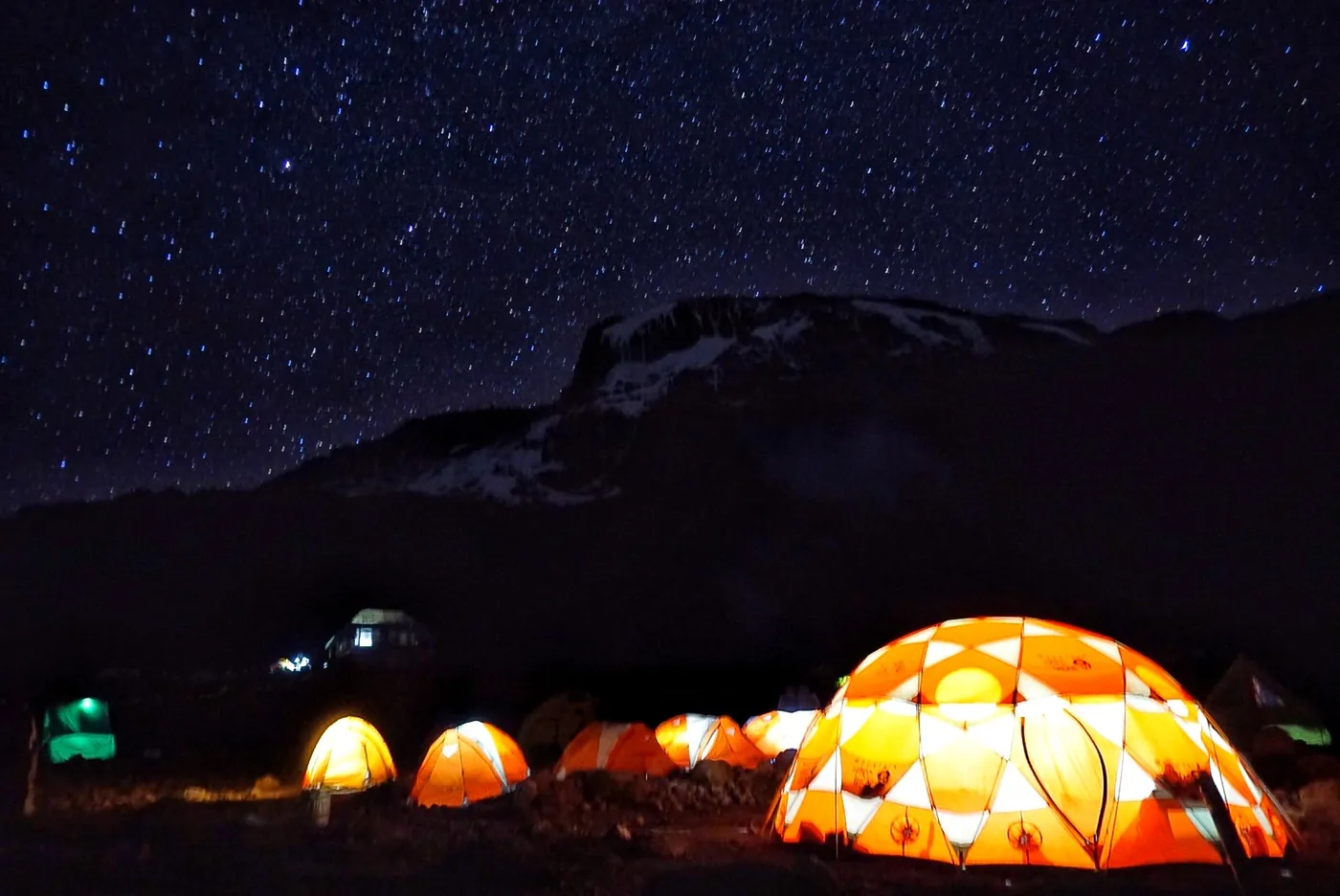
On an eight-day climb you will walk about 70 km, and the weather changes fast at altitude. Proper camping equipment is essential for a safe and successful summit.
v. Summit safety
The safety of every climber and crew member is our first priority. Our guides perform daily health checks with each person in the group, and this emergency equipment is carried all the way to the summit on every climb.
Bottled oxygen
Pulse oximeter, daily checks
Gamow bag (portable altitude chamber)
Portable stretcher
Comprehensive medical kit
Two-way radios and phones to our Arusha base
We partner with Kili Med Air for helicopter rescue. If a climber must descend early, the plan is simple and practised.
Evaluate. Guides decide whether a walking descent is right and choose the safest, quickest way, arranging a helicopter if needed.
Communicate. Our Arusha base coordinates transport, accommodation and medical care.
Stabilise. Guides use the emergency equipment and prepare a rescue crew.
Descend. A guide and rescue crew bring the climber down quickly and safely to meet our team.
Our high-altitude medical advisor, Michael Habicht, MD, is a board-certified emergency physician experienced in search and rescue, wilderness and high-altitude medicine, and a former climbing guide.